
Can you do the Amalfi Coast without a car in high season?
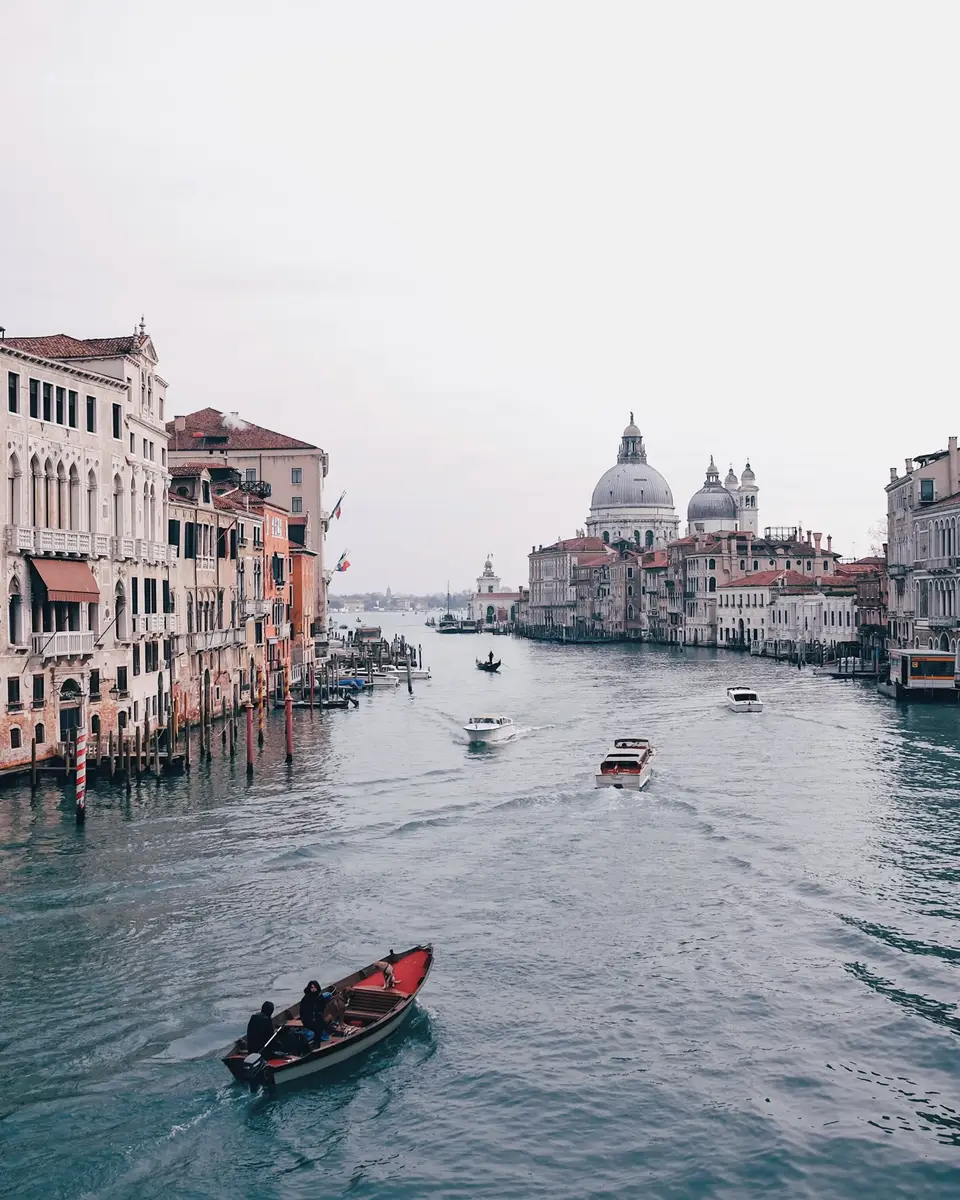
Yes—the Amalfi Coast is workable without a car in high season. Ferries are usually the least stressful way to cover the main coastal stops when they are running, while buses are better treated as a useful fallback than the plan for your entire day. Start early, keep the itinerary light and accept that a missed connection can reshape the day.
Full answer
The sensible high-season plan is car-free, ferry-first and deliberately unambitious. A car gives you another problem to manage on a crowded coastal road; ferries remove much of that road stress. They do not remove the need to be organised, though. Early starts still matter, particularly if you want to see more than one place without spending the day watching the clock.
Pick a base for the transport you will actually use
Choose a base with straightforward access to the waterfront if ferries are central to your plan. That is more useful than choosing somewhere that looks closest on a map but leaves you with a steep walk, a taxi arrangement or an awkward local connection before every departure.
Do not try to make every village your base. In high season, changing accommodation or hauling bags between stops can eat into the time you thought you were saving. One well-connected base and day trips is usually the cleaner approach. If your accommodation is above town, factor the climb or local transfer into both the start and end of the day; the view may be worth it, but it is not a transport plan.
Use ferries for the main moves
When services are operating, ferries are generally the calmer choice for moving between the larger coastal stops. You avoid the most tiring part of the coast: sitting in road traffic and arriving already over it. They also make a better first move of the day, when you have the most slack if a connection does not line up perfectly.
Treat the first practical ferry of the morning as your friend, not an affront to your holiday. Leaving early gives you time to wander before the busiest part of the day, have a proper lunch and still make a sensible return. Leaving late and trying to squeeze in several stops is how a pretty coast turns into a series of queues and anxious timetable checks.
Keep the day to one main destination, or two closely linked stops at most. The coast rewards lingering; it does not reward collecting place names.
Keep buses as the backup
Buses are useful for gaps in the ferry network, inland accommodation and a change of plan. They are not necessarily the relaxing alternative in peak season. Allow extra time, expect them to be busy and avoid making a tight onward connection dependent on one bus.
A workable mix is simple: ferry out early, explore on foot, then return by ferry if it suits; use the bus when the water route is unavailable or does not fit the day. If the bus is your only option, reduce the number of stops and leave more margin than you think you need.
Build in a bad-plan option
High-season travel goes better when the backup is pleasant. Have one nearby town, beach, café or walking route you would be happy to settle into if the next connection is inconvenient. That is not lowering your standards; it is refusing to let transport dictate the whole day.
Check current ferry and bus timetables, operating dates, weather notices, departure points and local transfer options shortly before travel and again each morning. These are operational details, not promises, and they can determine whether a ferry-first plan is easy or merely optimistic.
Recheck before you go
Transport schedules can change. Check current timings before you book around them.