
How should a first-time traveller plan Japan without overpacking it?
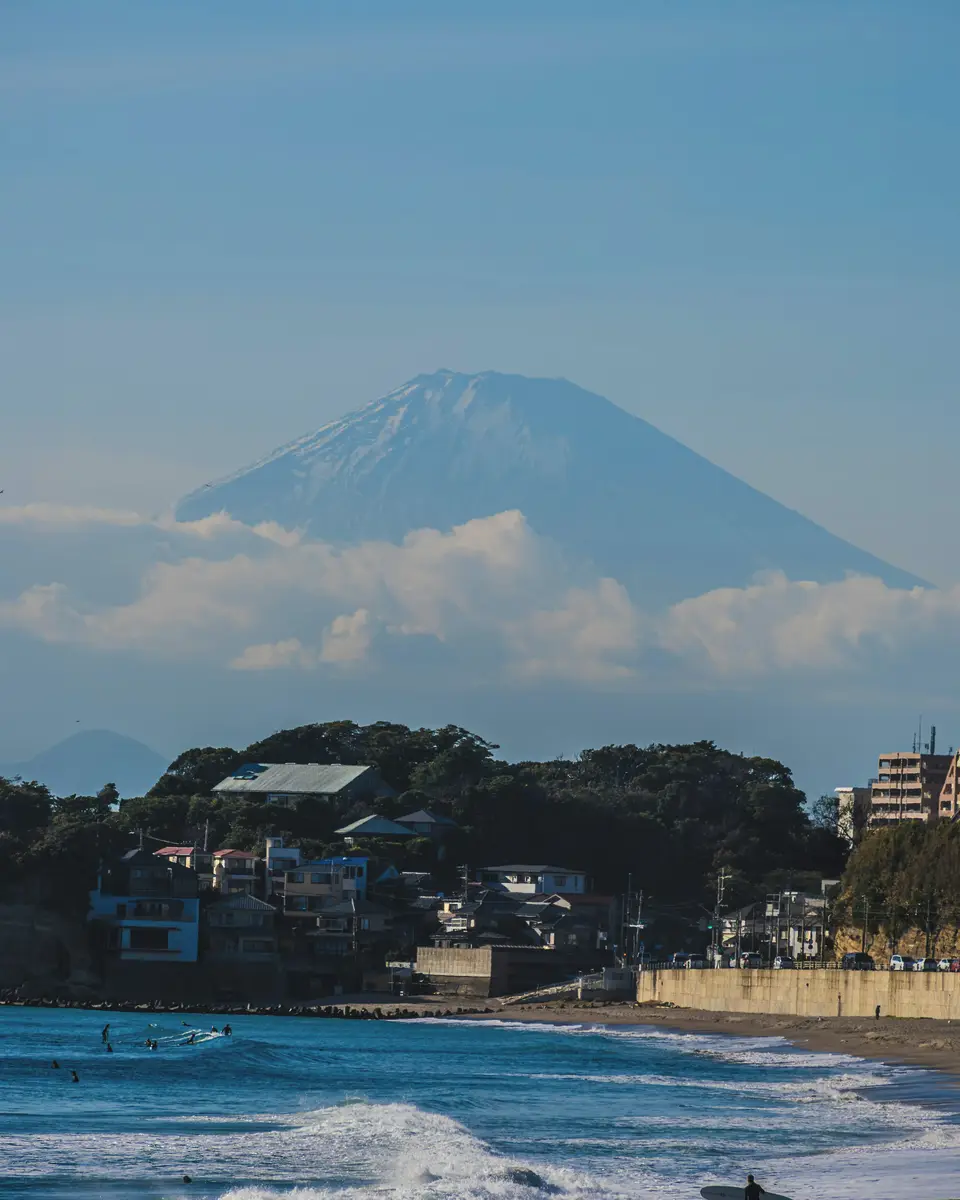
For most first trips, spend four or five nights in Tokyo, four or five nights around Kyoto and Osaka, then add one other place. Hiroshima and Miyajima, an onsen stay, or Kanazawa and the Alps all work well. The trains make it easy to move around Japan, but they cannot make a crowded itinerary feel relaxed.
Full answer
A first trip to Japan is easy to overfill because almost every famous place looks close to a station.
Tokyo, Kyoto and Osaka already make a full and varied trip. Tokyo needs time for more than Shibuya Crossing and a view from a tower. Some of the best hours are much smaller: breakfast at a counter, a quiet shrine behind an office building, the food floor of a department store, or an evening in a neighbourhood where there is no major sight to tick off.
Kyoto is different. The city is spread out, the most popular places become crowded quickly, and several temples in one day can begin to blur together. Stay long enough to go out early, return to the hotel in the middle of the day if you need to, and walk through Gion or beside the river after the tour groups have left.
Osaka is easy to visit from Kyoto, but an overnight stay is worthwhile if food and evenings matter to you. The city is at its best after dark, when the grills are smoking, the signs are lit and people are still eating long after Kyoto has quietened down.
That is already a very good first journey.
Add one place, not three
After Tokyo and Kansai, choose one place that adds something genuinely different.
Hiroshima and Miyajima suit travellers who want history, a smaller city and time by the water. Hiroshima deserves more than a hurried visit to the Peace Memorial. Stay for the evening, then take the ferry to Miyajima when the day-trippers have not yet arrived or have begun to leave.
Hakone or another onsen town suits travellers who want a break from cities. The point is not only a possible view of Mount Fuji. It is the slower routine of a ryokan: arriving before dinner, bathing, sleeping on futons and waking somewhere quieter.
Kanazawa and Takayama work well for gardens, markets, craft and old timber streets. This route takes more time than a night in Hakone, so it is better for a trip of at least two weeks.
Choose the place you most want rather than the one that happens to fit a rail pass.
A sensible two-week outline
A comfortable first trip might look like this:
- four or five nights in Tokyo;
- three or four nights in Kyoto;
- one or two nights in Osaka, or visit Osaka from Kyoto;
- two or three nights in one additional area;
- the remaining time for arrival, departure and one day trip.
This leaves enough room for an afternoon that is not planned. That matters in Japan. A small restaurant, a garden you had not heard of or a street festival can become more memorable than another long journey to a place chosen months earlier.
Be careful with day trips
Nara, Kamakura, Nikko, Kobe, Uji and several Fuji viewpoints can all be worthwhile. The problem begins when every city becomes a base for leaving it.
Choose the day trips that add something you are not already getting. Nara makes sense if the temples and park genuinely appeal. Kamakura can be a good break from Tokyo. Uji is easy from Kyoto and works well for tea and a quieter half-day. A distant trip that starts before breakfast and ends after dinner often takes more out of the holiday than it gives back.
When the classic route is not right
Skip Tokyo–Kyoto–Osaka when the trip has a clear reason to go elsewhere.
A winter holiday centred on skiing belongs in Hokkaido or the mountains. Someone travelling mainly for onsen and food may prefer Kyushu. A repeat visitor will often get more from Tohoku, Shikoku or a slower journey through western Japan than from another circuit through the same three cities.
There is no requirement to complete the classic route before seeing the part of Japan that interests you most.
What to leave for another trip
Leave out any stop that creates a full travel day for only one useful night. Leave out the third or fourth temple town if Kyoto is already being rushed. Leave out a regional city simply because the train is fast.
Japan rewards return visits. It is better to come home wanting to see more than to remember the trip mainly through platforms and hotel checkouts.