
How should a first-time traveller plan France without overpacking it?
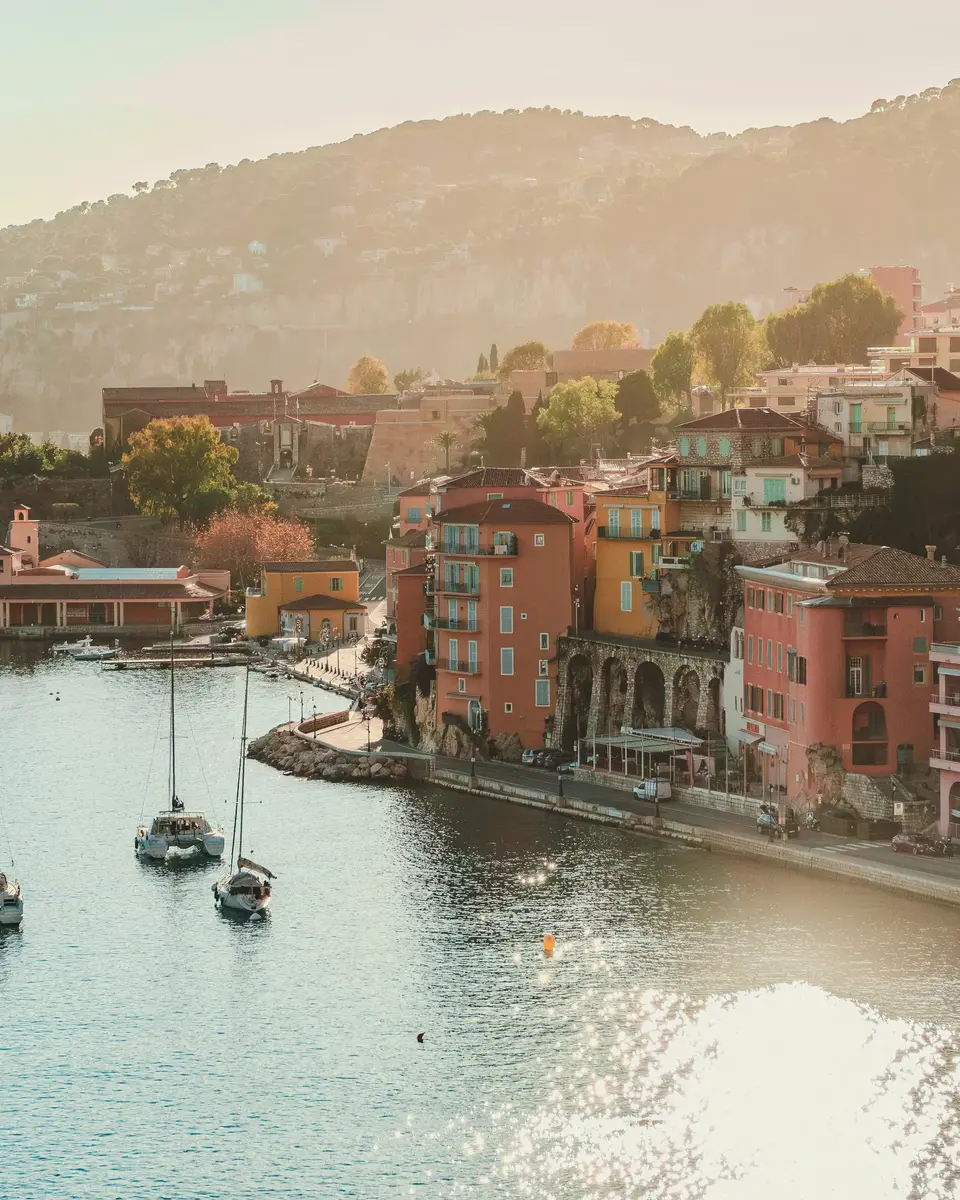
For most first trips, spend four or five nights in Paris and three to five nights in one region. Choose Normandy for coast and history, the Loire for châteaux and countryside, Alsace for easy train travel and wine towns, or Provence for markets and Mediterranean landscapes. Add a second region only with at least two weeks.
Full answer
France is difficult to plan because so many places could justify a whole trip.
A first visit is better when Paris has enough time and one region is chosen properly.
Four or five nights in Paris allow for the famous sights without reducing the city to them. You can visit the Louvre or Musée d’Orsay, walk along the Seine, and still have mornings for a neighbourhood café or evenings when dinner is not squeezed between bookings.
After Paris, choose one part of France that suits the trip you want.
Normandy
Choose Normandy for coast, villages and history.
The D-Day beaches and museums need a full day, and the places are spread out. Bayeux makes a useful base. Honfleur, Rouen and the cliffs around Étretat add a different side of the region, while Mont-Saint-Michel is farther away than it first appears.
A car is useful. Give Normandy at least three nights, and more if Mont-Saint-Michel is included.
The Loire Valley
Choose the Loire for châteaux, gardens, cycling and quieter country days.
Tours or Amboise can be used as a base, but the best-known châteaux are scattered. A car makes the trip much easier, especially when you want to visit smaller towns or stay outside the centre.
Three nights is enough for an introduction. With four or five nights, the days can slow down.
Alsace
Choose Alsace when you want a regional trip that works well by train.
Strasbourg has a beautiful old centre but also feels like a living city. Colmar is smaller and more picturesque, and trains or buses connect several wine villages. In the evening, the timbered streets become quieter and dinner may be tarte flambée, local wine and a table outside.
Three or four nights work well.
Provence
Choose Provence for markets, hill towns, Roman sites and Mediterranean light.
Avignon, Arles and Aix-en-Provence are possible bases, but the villages and countryside are spread out. A car becomes useful once you leave the main rail line.
Provence deserves at least four nights. In summer, heat, crowds and traffic can slow the day down, so early starts and a quieter afternoon make the trip more comfortable.
What about the Riviera?
Nice is an easy train base for the coast. Antibes, Menton and Monaco can be reached without a car, and the coast feels very different after several days in Paris.
The Riviera is a good choice when coast, food and evening walks matter more than rural villages. It is less relaxing in July and August, when prices and crowds are at their highest.
How much can you fit?
One week
Stay in Paris and add one nearby area such as Normandy, the Loire or Alsace. Keep the regional stay simple.
Ten days
Spend four or five nights in Paris and four or five in one region. This is the best length for a first trip.
Two weeks
Add a second region only when the train or flight between them is straightforward. Paris, Alsace and Provence can work, but Paris plus one region at a slower pace is often more enjoyable.
What to leave out
Do not plan Paris, Normandy, the Loire, Provence and the Riviera in ten days.
Each region has places spread beyond one city. A route that looks efficient on a map can turn into repeated packing, car collection and long journeys. Choose the part of France you want most and let it have mornings and evenings, not only an afternoon between trains.