
How should travellers choose between Sabah and Sarawak?
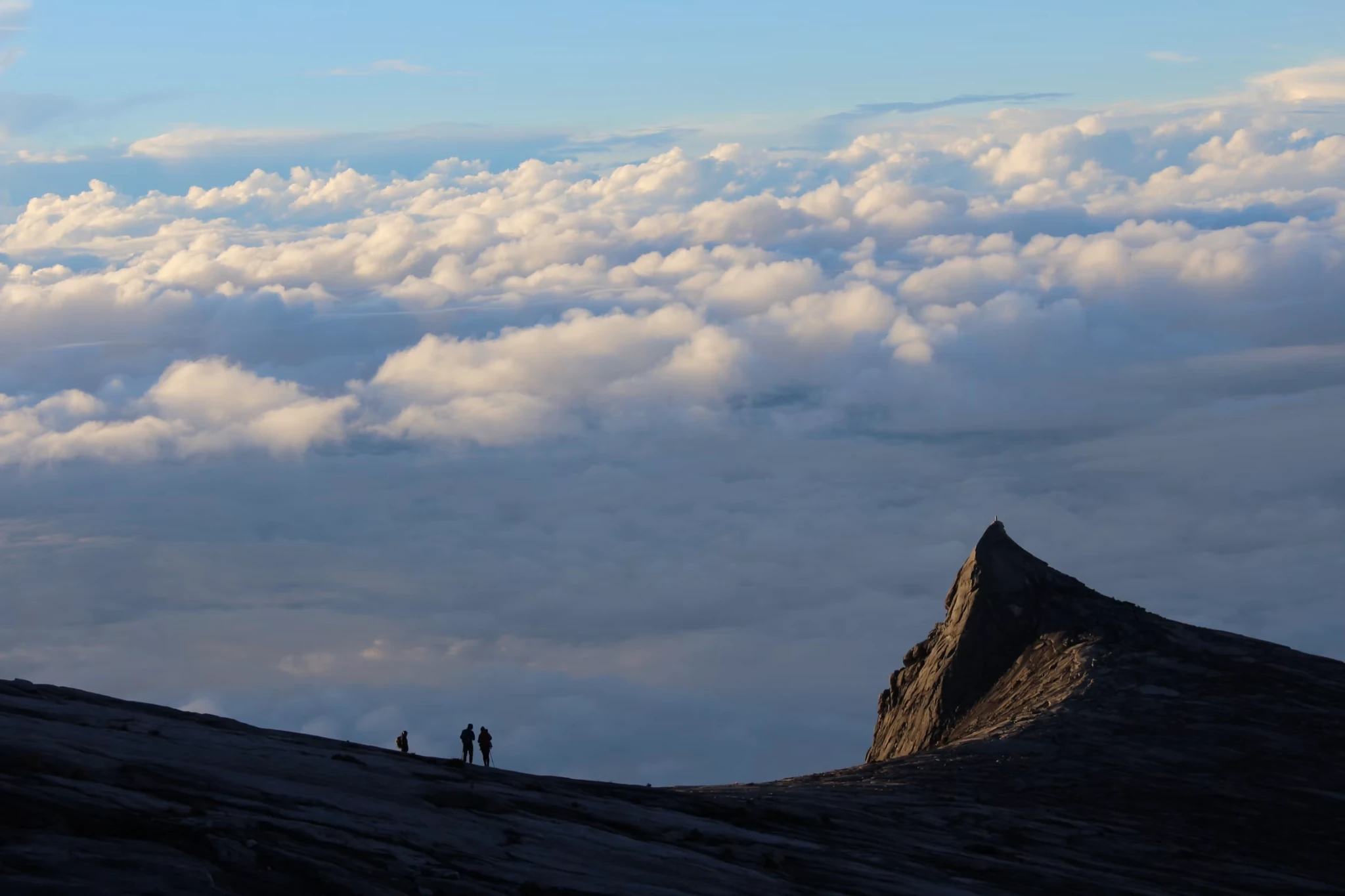
For most first-time travellers drawn mainly by wildlife, mountains, islands and diving, Sabah is the stronger default. Choose Sarawak instead when Kuching, Mulu’s caves, food and cultural context are central to the trip. Sabah takes more planning than its headline attractions suggest; Sarawak is less compelling for a wildlife-first or beach-led itinerary. Neither state works well as a rushed add-on.
Full answer
Sabah and Sarawak are different Borneo trips, not interchangeable labels. Sabah is usually built around a handful of separate, often book-ahead anchors: Sepilok, the Kinabatangan area, Mount Kinabalu, island stays and diving. Sarawak more naturally starts with Kuching, then adds places such as Bako, Semenggoh and Mulu. The real choice is what you want the trip to revolve around, not which state has the longer list of attractions.
Sabah or Sarawak: the practical differences
| What matters | Sabah | Sarawak | Stronger choice |
|---|---|---|---|
| Wildlife | Sabah offers the more concentrated wildlife route. Sepilok and the Kinabatangan area can anchor the trip, although sightings are never guaranteed. | Semenggoh and Bako still bring wildlife into the trip, but it is usually one part of a broader city, culture, cave and rainforest route. | Sabah for a wildlife-first itinerary. |
| Culture and lived heritage | Sabah has genuine Indigenous cultural depth, but on a typical first trip wildlife, Kinabalu and island time can easily dominate the route. | In Sarawak, Kuching, museums, food and community experiences make culture a more central part of the route. | Sarawak when culture should carry equal weight with nature. |
| Beaches and islands | The stronger range for islands, snorkelling and diving, from easy Kota Kinabalu day trips to more complex east-coast marine plans. | Sarawak has coastal parks and beaches, but beach time is rarely the strongest reason to choose the state. | Sabah for a beach, snorkelling or diving component. |
| Access and trip friction | Kota Kinabalu is a straightforward gateway, but the classic highlights are split across west and east. A broad route can require internal flights, long road transfers and several fixed bookings. | Kuching supports a relatively simple city-plus-day-trip start. Adding Mulu means another flight and enough time to treat it as a main stop rather than a casual extension. | Sarawak for a simple Kuching-based trip; neither for a rushed multi-stop circuit. |
| Cost tendency | Costs can rise quickly when the route adds river lodges, guided wildlife, a Mount Kinabalu booking or diving. | A Kuching-led trip can be relatively affordable, but flights and guided activities around Mulu can remove much of that advantage. | Route-dependent. Sabah’s classic wildlife, mountain and marine components often cost more; Mulu can remove Sarawak’s apparent advantage. |
| Weather and season sensitivity | Rain is possible year-round, and mountain, marine, west-coast and east-coast plans do not respond to weather in the same way. | Rain is also possible year-round, with western Sarawak more exposed during the northeast monsoon and park conditions still varying by place. | No overall winner. Choose the activities first, then check the relevant subregion and current conditions. |
The main drawback of each state
Sabah’s main drawback is fragmentation. The strongest names do not sit in one effortless loop. A trip that tries to include Kota Kinabalu, the Kinabalu area, Sepilok, the Kinabatangan area and an island or dive section can become a chain of transfers and fixed bookings. Sabah rewards selection more than coverage.
Sarawak’s main drawback is that its strengths are more spread out. It works best as a mix of Kuching, caves, rainforest, food and culture; it is harder to justify over Sabah if dense wildlife or a strong beach finish is the main goal. Mulu is one of Sarawak’s strongest draws, but it also needs its own flight, time and weather margin.
Choose Sabah if…
- seeing wildlife from a river or rainforest lodge is non-negotiable;
- Mount Kinabalu or the Kinabalu area is one of the main reasons for going;
- you want island, snorkelling or diving time without changing states;
- you are comfortable organising several book-ahead experiences rather than travelling spontaneously.
Choose Sarawak if…
- a proper city base matters, rather than using the arrival city only as a transit stop;
- Mulu’s caves matter more than adding another wildlife lodge or marine stop;
- food, museums and cultural context should carry as much weight as nature;
- a few strong excursions from Kuching sound better than moving every couple of days.
What seven, ten or fourteen days changes
Around seven days
Choose one state.
In Sabah, decide whether the trip is centred on the west coast and Kinabalu, or on an eastern wildlife route. Trying to fit mountain, wildlife and marine stops into one week leaves little margin for weather, delays or recovery.
In Sarawak, Kuching with Bako and Semenggoh makes the cleanest base. Add Mulu only when it is one of the trip’s central reasons, not because the flight appears to fit on paper.
Combining Sabah and Sarawak uses too much of a week on flights and transfers.
Around ten days
One state in depth is still the strongest plan.
Sabah can link Kota Kinabalu or the Kinabalu area with Sepilok and the Kinabatangan area, but adding substantial island or diving time usually means cutting something else. Sarawak can give Kuching and Mulu proper time while leaving room for a few day trips focused on nature or culture.
A ten-day two-state trip can work on paper, but it is usually weaker in practice. Too much of the trip becomes a sequence of flights and abbreviated stays.
Around fourteen days
Both states become possible, but not automatically better.
If you combine them, choose one or two anchors in each state, use a flight for the major change and leave out large parts of both. Do not try to cover everything in either state. For many travellers, one state in depth plus Peninsula Malaysia, or one state at a slower pace, remains the stronger trip.
When combining both becomes worthwhile
Include both only when you have about fourteen days for Malaysian Borneo alone and you can fit an internal flight without dropping a core stop.
There is no universal best order. Start with the least flexible booking — Mulu access, a Mount Kinabalu date, a wildlife lodge or a dive booking — then build the other state around it. Do not force the order just because it looks neater on a map.
The final choice
Choose Sabah when the trip would feel incomplete without concentrated wildlife, mountain landscapes, island time or diving. Choose Sarawak when the trip needs Kuching, caves and a slower culture-and-rainforest balance. Whichever you choose, give it enough days to experience it as a region rather than a hurried add-on from Kuala Lumpur.
Methodology: This comparison weighs the experiences most likely to shape the trip, the effort of moving between them and what you give up by trying to do too much. Wildlife is never guaranteed, and current flights, park rules, permits and fees can change.
Source note: The broad distinctions were checked against current WhereToNext Malaysia guidance and official Sabah Parks, Sarawak Tourism Board, Sarawak Forestry and METMalaysia information. Recheck park access, permits, flight schedules, marine conditions and mountain bookings before committing the route.