
What should travellers wear in Oman?
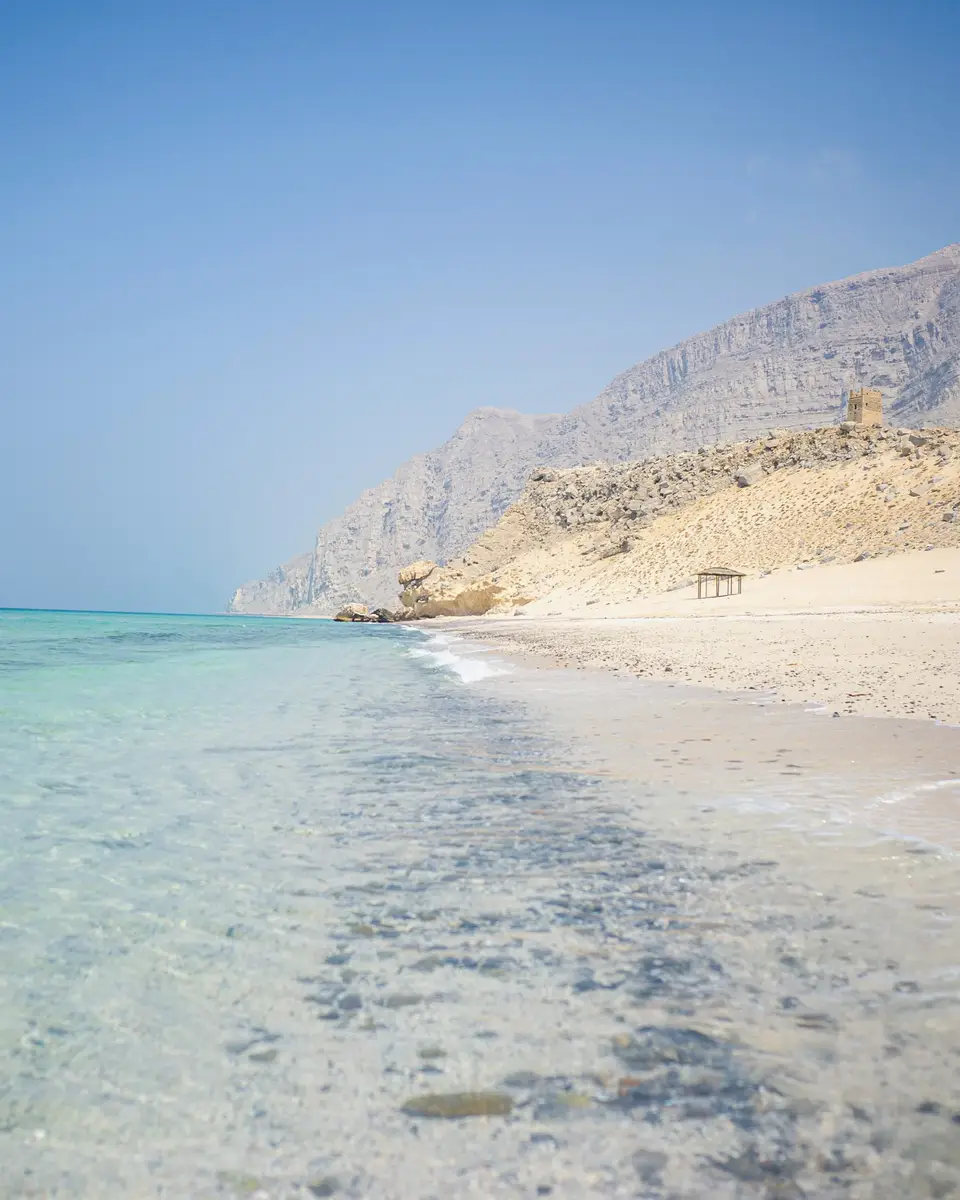
Oman is conservative, but there is no single dress rule for every setting. In ordinary public places, both women and men should favour loose clothing that covers the upper arms and knees. Normal swimwear is generally suitable at hotel pools and private beaches, while public beaches call for more modest swimwear. At public wadis, extra coverage is the respectful choice, especially where local families swim. Women do not generally need to cover their hair in public, but should bring a scarf for mosque visits. Oman’s public-decency law is broad, so take the guidance seriously without turning every point of etiquette into a legal rule.
Full answer
What to wear in each setting
| Setting | Women | Men | What kind of rule is this? |
|---|---|---|---|
| Muscat streets, souqs and other urban public spaces | Wear a loose top that covers the shoulders, upper arms and chest, with lightweight trousers or a skirt below the knee. Women do not generally need to cover their hair in ordinary public places. | Wear a sleeved T-shirt or shirt with trousers or longer shorts that cover the knees. Avoid sleeveless tops and very short shorts. | Official public-dress guidance, backed by a broad public-decency law rather than a garment-by-garment legal checklist. |
| Malls and ordinary restaurants | Follow the same public guidance and avoid clothing that is very tight, transparent or low-cut. | Cover the upper arms and knees; trousers are the simplest option. | Public guidance plus any venue-specific standard. Beachwear belongs at the pool or beach. |
| Villages, local markets and conservative family settings | Fuller, looser coverage is the more respectful choice: sleeves and full-length trousers or a long skirt work well. | A sleeved top and long trousers are a simple choice. | Cultural etiquette rather than a separate national clothing rule. |
| Public wadis, public beaches and swimming areas used by local families | On public beaches, choose modest swimwear. At public wadis, a rash vest or T-shirt with longer swim shorts or leggings is a practical and respectful choice. Cover up before walking through villages, car parks or picnic areas. | Swim shorts are practical in the water; add a T-shirt when moving through shared public areas. | Primarily etiquette. Official guidance calls for modest swimwear on public beaches, and Ramadan guidance specifically discourages revealing swimwear at public beaches and wadis. |
| Hotel pools and private beaches | Normal swimwear is generally suitable. Add a cover-up before entering lobbies, restaurants or other shared spaces. | Normal swimwear is generally suitable; wear a shirt in shared indoor spaces. | Hotel and venue practice. The property’s own rules still apply. |
| Mosques | For Sultan Qaboos Grand Mosque, cover the shoulders and knees and keep the hair covered. Bring loose long sleeves and full-length trousers or a long skirt. | Cover the shoulders and knees; long trousers and a sleeved top are the simplest choice. | A venue-specific religious-site rule. Other mosques may apply different visitor and dress requirements, so check before visiting. |
| Ramadan | In public, cover shoulders and knees and avoid tight, transparent or revealing clothing. Keep swimwear to hotel pools and private beaches. | Apply the same public standard and avoid sleeveless tops or short shorts. | Ramadan-specific official guidance. Public eating, drinking and smoking during daylight are separate legal and etiquette issues. |
Law, etiquette and venue rules are not the same thing
Oman’s Penal Code uses broad language about appearing in public in an immodest manner or contrary to societal traditions and customs. It does not provide a garment-by-garment tourist checklist. Current travel guidance gives a practical rule of thumb for public places: cover the upper arms and knees and avoid clothing that is tight or revealing.
That guidance is worth taking seriously, but it does not mean every exposed shoulder or knee carries a fixed penalty. Mosque entry rules, hotel rules and local social expectations can be more specific.
Mosque visits
The Sultan Qaboos Grand Mosque’s current visitor guidance says shoulders and knees should be covered and women should cover their heads. One loose, full-length outfit is easier than trying to judge the minimum at the entrance. Bring a scarf, and check the mosque’s current visitor rules before going.
Wadis and beaches versus hotel pools
The useful distinction is not simply “swimwear or no swimwear”. A hotel pool or private beach is a different setting from a public beach or wadi used by local families.
At hotel pools and private beaches, ordinary swimwear is generally suitable. On public beaches, official tourism guidance calls for more modest swimwear. At public wadis, a rash vest or T-shirt with longer swim shorts is a respectful and practical choice, especially where local families swim. During Ramadan, official guidance is more explicit about avoiding revealing swimwear at public beaches and wadis. Covering up also makes the walk between the car, village and water easier.
What changes during Ramadan?
During Ramadan, both men and women should cover shoulders and knees in public and avoid tight, transparent or revealing clothing. Keep swimwear to hotel pools and private beaches. The bigger practical change is not clothing: eating, drinking and smoking in public during daylight are prohibited. Ramadan also changes opening hours and daily rhythm, so check current guidance before the trip.
Pack this
- two or three loose, breathable tops that cover the upper arms;
- lightweight trousers or a long skirt;
- one loose long-sleeve, full-length outfit for mosques and conservative settings;
- a scarf for women visiting mosques;
- a rash vest or T-shirt with longer swim shorts or leggings for public wadis and family beaches;
- a light cover-up for moving between a pool or beach and shared hotel spaces.
You do not need to dress in Omani national clothing to show respect. The aim is not fear or performance. Pack one easy outfit for public places, one mosque-ready outfit and swimwear that suits the setting.
Facts checked: 10 August 2026. Oman’s public-decency law is broadly worded, venue rules can change and Ramadan guidance should be checked again before each Ramadan.