
Oman Travel Guide
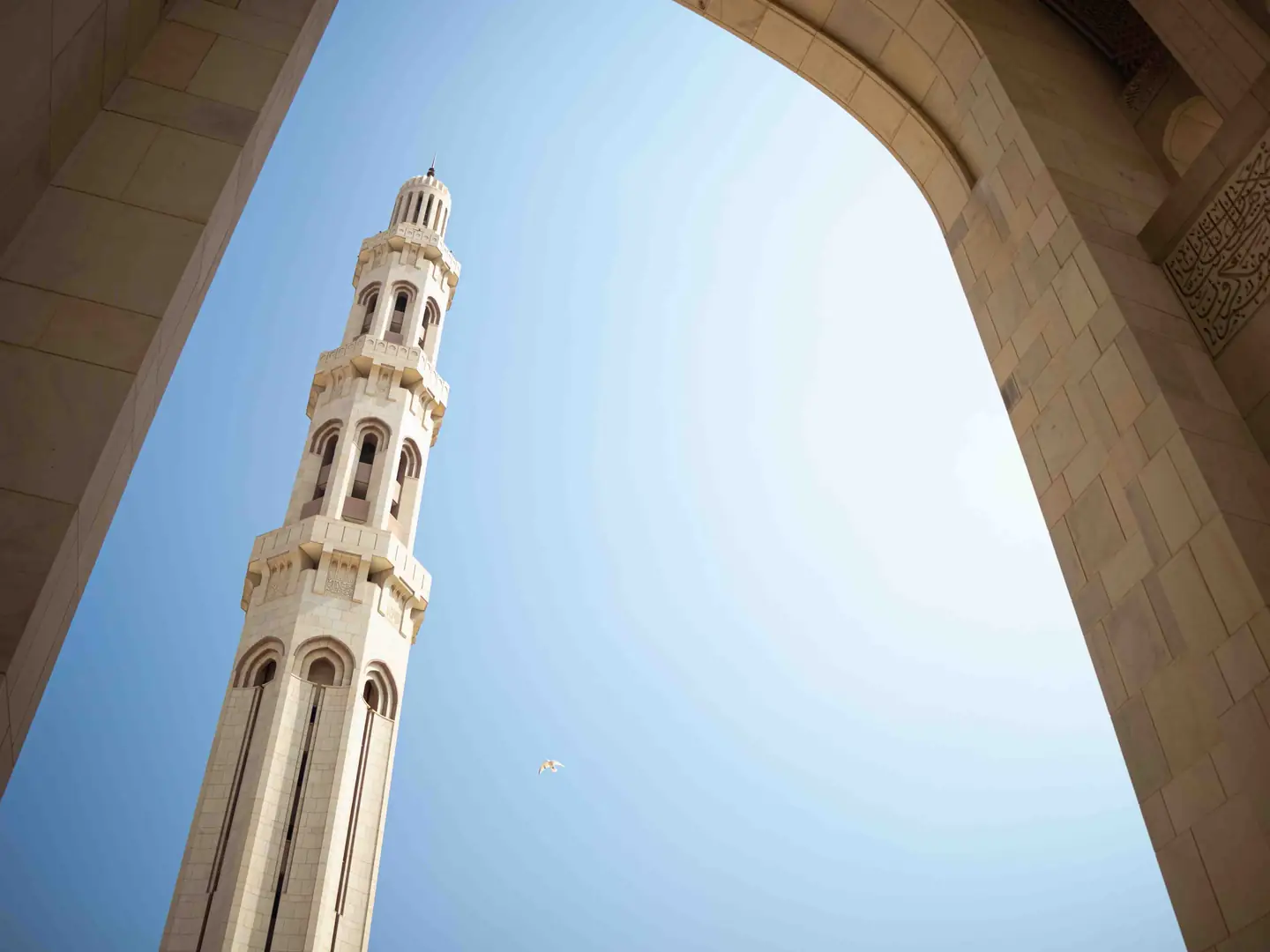
Sea-wind evenings in Muscat, wadis and canyon walks inland, desert nights under clean skies, and a road-trip rhythm that makes the whole country feel calm and spacious.
What the trip feels like
Frankincense smoke drifts through the Muttrah harbour air as a fisherman coils his line on the stone steps. A wooden dhow rocks gently beside him, rope creaking with the tide. He pushes the boat away and steps aboard. The hull turns slowly toward the open water… the long Arabian coast waits beyond the harbour.
At a glance
Oman makes most sense as a self-drive loop rather than a string of returns to Muscat. Begin with Muttrah’s harbour and mosques, move inland to Nizwa and the Hajar Mountains, then finish along the Sur–Tiwi coast, where wadis and turtle nights slow the pace. The main sealed roads suit a standard rental car, but the mountain and desert detours need separate checks. Jebel Akhdar currently requires a 4WD at the checkpoint or an arranged transfer. Jebel Shams can be reached in good conditions without one, though a 4WD is the more sensible choice; desert camps usually need a 4WD or camp pickup. Check weather, access rules and the rental contract before mountain, desert or wadi driving. Dhofar belongs as a separate southern trip, especially during khareef.
Best for
- Big scenery without the hard-edge hassle
- Road trips with mountains, deserts, and coast in one loop
- Short hikes with high payoff (wadis, canyon rims, village walks)
- Camping and “sleep where the view is” travel
- A Middle East experience that feels grounded and less performative
Why it works and where it bites back
- Why go: Wahiba Sands (Sharqiyah Sands) at night: dunes cooling fast, stars loud, silence that feels physical
- Why go: Jebel Shams “Grand Canyon” viewpoints + the Balcony Walk: sheer drops, village ruins, cold air even when the coast is baking
- Why go: Wadi Shab (or a quieter cousin like Tiwi): water, rock, a proper swim at the end — bring shoes you can get wet
- Why go: Musandam’s fjord-like coast: hard rock cliffs, blue water, dolphins if you’re lucky
- Watch for: “It’s only a short drive” optimism: the loop works, but the stop-start nature of wadis and viewpoints slows everything down
- Watch for: Heat and humidity on the coast in summer: it can flatten your energy and turn hikes into a chore
- Watch for: Overpackaged desert camps: some feel like a theme night in the sand (pick carefully or keep it simple)
- Watch for: Weekend crowds at headline spots (Wadi Shab, Bimmah sinkhole): busy car parks, more noise than you want
Planning reality
Currency is the Omani rial (OMR). Oman isn't cheap, but it's often better value than the flashier Gulf neighbours, especially if you lean into simple local food, modest hotels, and a bit of camping.
Oman is generally low-drama on the ground, but it is still the Middle East — wider regional tensions can affect flights and travel plans with little warning. In-country, the bigger risks are practical: heat, flash floods in wadis after rain, and driving fatigue on long straight stretches.
Tourism pressure: Moderate overall, spiky at the famous spots. It can feel very quiet on the road, then suddenly very busy at Wadi Shab at 10am on a weekend.
When to go
October–April for cooler weather and hiking conditions.
Avoid or reconsider: Peak summer for inland exploring.
Getting around
Car is the default. Roads are generally excellent, distances are manageable, and self-drive is what makes Oman feel expansive rather than restrictive.
Practical notes
Verify entry rules, registration requirements, and border procedures with official or embassy sources before you travel.
- Oman's visa situation depends on nationality, but the clean, predictable route is usually the official eVisa process. Some travellers are eligible for different arrangements, so check the current rules before booking flights.
- Money: Omani rial (OMR).
- Language: Arabic is the main language. English is widely used in tourism and services, especially in Muscat, but don't assume it in smaller towns.
Top planning decisions
- How many days should you spend in Muscat?: Give Muscat enough time to land gently, then move on. Two or three days can work well for the mosque, Mutrah, the coast and a calmer arrival, but Oman’s deeper rhythm usually begins beyond the capital.
- Should you base yourself in Muscat or Nizwa?: Use Muscat to arrive, adjust and see the coast; use Nizwa when the trip turns inland. Sleeping in Muscat every night can make Oman look easier on paper and harder in the car.
- When does Salalah and Dhofar make sense in an Oman trip?: Salalah and Dhofar make sense when they are treated as their own southern chapter. The payoff is real, especially around the seasonal green landscape, but distance and timing decide everything.
- Is Oman a good destination for families?: Yes, Oman can be excellent for families, but the family version needs fewer long drives and more heat-aware planning. Muscat, Nizwa, a wadi and a desert night can be memorable if the route leaves room for tired children and real breaks.
- See all Oman answers
Go next
- United Arab Emirates (easy pairing for flights and contrast)
- Jordan (history and landscapes, very different energy)
- Turkey (food, cities, variety — a palate cleanser after the desert)
- Georgia (mountain payoff, easy travel rhythm)
- India (if you want to follow the food and cultural threads you keep seeing in Oman)