Serbia Travel Guide
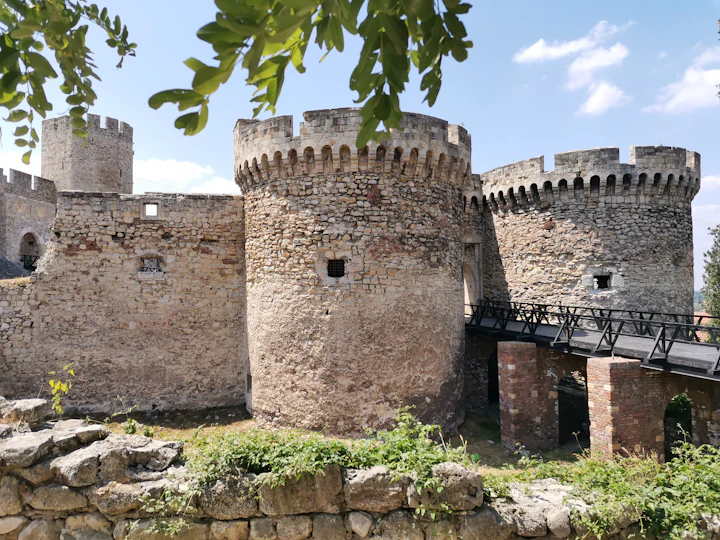
Belgrade's fortress at golden hour, kafana nights that run late, monasteries in the hills and a Danube that never seems hurried. Serbia combines strong city life with good-value regional travel, but rewards looking beyond the capital.
What the trip feels like
Rakia burns before it warms. Below the Kalemegdan fortress, the Sava folds into the Danube without ceremony — two rivers that never agreed. Belgrade will spend all night proving it doesn't need your approval. You'll still be there at dawn.
At a glance
Most trips orbit three bases: Belgrade (energy, history, nightlife), Novi Sad (easy charm + day trips), and either Niš (south/east gateway) or a nature base like Tara / Zlatibor area (if you're chasing forests and viewpoints). Optional detour that's worth the logistics: the Danube gorge at Đerdap (Iron Gates) and Golubac Fortress—big river scenery, less city noise.
Best for
- City breaks with actual character (not just pretty buildings)
- Nightlife that isn't packaged for tourists
- Big, affordable eating-out culture
- History layers: Ottoman, Habsburg, Yugoslav, Roman, Orthodox monastic
- Danube trips and inland nature without fighting crowds
- Travellers who like places a bit rough-edged and real
Why it works and where it bites back
- Why go: Belgrade at night: kafanas, riverfront "splav" clubs, and that chaotic, lived-in buzz that doesn't feel staged.
- Why go: Kalemegdan Fortress at sunset where the Sava and Danube meet—proper cinematic.
- Why go: Novi Sad + Petrovaradin Fortress: Danube views, easy-going streets, and a day-trip radius that's genuinely useful.
- Why go: Serbia's monastery belt (including UNESCO-listed Studenica and the Stari Ras & Sopoćani cluster): medieval frescoes, quiet courtyards, and mountain backdrops.
- Watch for: The smoking (especially in older cafés/bars) and winter pollution—some days the air just feels heavy.
- Watch for: Nightlife hotspots can attract trouble late-night (and macho energy); it's rarely random, but it's avoidable.
- Watch for: Overdeveloped "resort Serbia" in places—Zlatibor in particular can feel like concrete, traffic and souvenir shops.
- Watch for: Driving can be stressful: fast, assertive traffic and parking that's more optimism than system in big cities.
Planning reality
Serbia is good value by European standards—especially for eating out, domestic transport, and drinks—though Belgrade has crept up in the "cool city" way.
Serbia generally feels safe on the ground with normal urban awareness: watch your phone in crowded areas, don't wander drunk into quiet streets at 4am, and treat nightlife like nightlife anywhere. For late-night station or bus-terminal arrivals in Belgrade, move straight to a booked ride or official taxi line rather than lingering outside looking for transport.
Tourism pressure: Medium and very uneven. Belgrade has become a popular short-break city (especially for nightlife), and Novi Sad gets steady traffic, but large parts of the country feel lightly toured. Compared to nearby Croatia, Serbia is still more "traveller" than "tourist machine".
When to go
May–June and September–October (warm days, long evenings, less haze, less chaos).
Avoid or reconsider: Late December–February if you're sensitive to cold + air quality; and peak ski season if you hate crowds/prices.
7 days in Serbia: a realistic first-time itinerary
7 days
Belgrade → Novi Sad → Belgrade
2 bases
Getting around
Buses are frequent and cover almost everywhere; trains are excellent on a few routes and patchy elsewhere.
Practical notes
Verify entry rules, registration requirements, and border procedures with official or embassy sources before you travel.
- For many nationalities (including Australians), tourist visits are visa-free for short stays (commonly up to 90 days in a 6-month period). Serbia also requires visitor registration with police within 24 hours—hotels usually handle it; private stays should make sure it happens. If you're combining Kosovo and Serbia, be precise about your route order: entering Serbia from Kosovo can be treated as irregular if your original entry into Kosovo was not via Serbia. Check the latest official guidance before a Balkans loop and keep accommodation registration details handy.
- Money: Serbian dinar (RSD).
- Language: Serbian is the main language (Latin and Cyrillic scripts are both used). In Belgrade/Novi Sad you can get by with English; outside that, it drops off.
Top planning decisions
- How many days should you spend in Belgrade?: Give Belgrade more than a token night. It is not a polished postcard city; it works through food, rivers, street life, cafés, history and nights that stretch later than planned.
- Where should first-time visitors base themselves in Belgrade?: Stay central enough that walking and public transport do the heavy lifting. Belgrade spreads out, and a cheaper base can quickly become a daily taxi-and-bus tax.
- Is Serbia good for travelling with children?: Serbia can work well with children if the route is not too heroic. Belgrade and Novi Sad are the easy anchors; nature and mountain stops need slower pacing, a car or more patience with logistics.
- What practical mistakes do first-time visitors make in Serbia?: The mistakes are usually practical rather than dramatic: assuming cards work everywhere, leaving transport too vague, treating taxis casually, and expecting English to solve every small-town problem.
- See all Serbia answers
Go next
- Bosnia & Herzegovina (Sarajevo and beyond)
- Montenegro (coast + mountains)
- North Macedonia (Skopje + lakes)
- Romania (Danube + Transylvania route options)
- Hungary (easy northbound links)
- Bulgaria (eastbound overland continuation)